Musonius Rufus and the barest rock
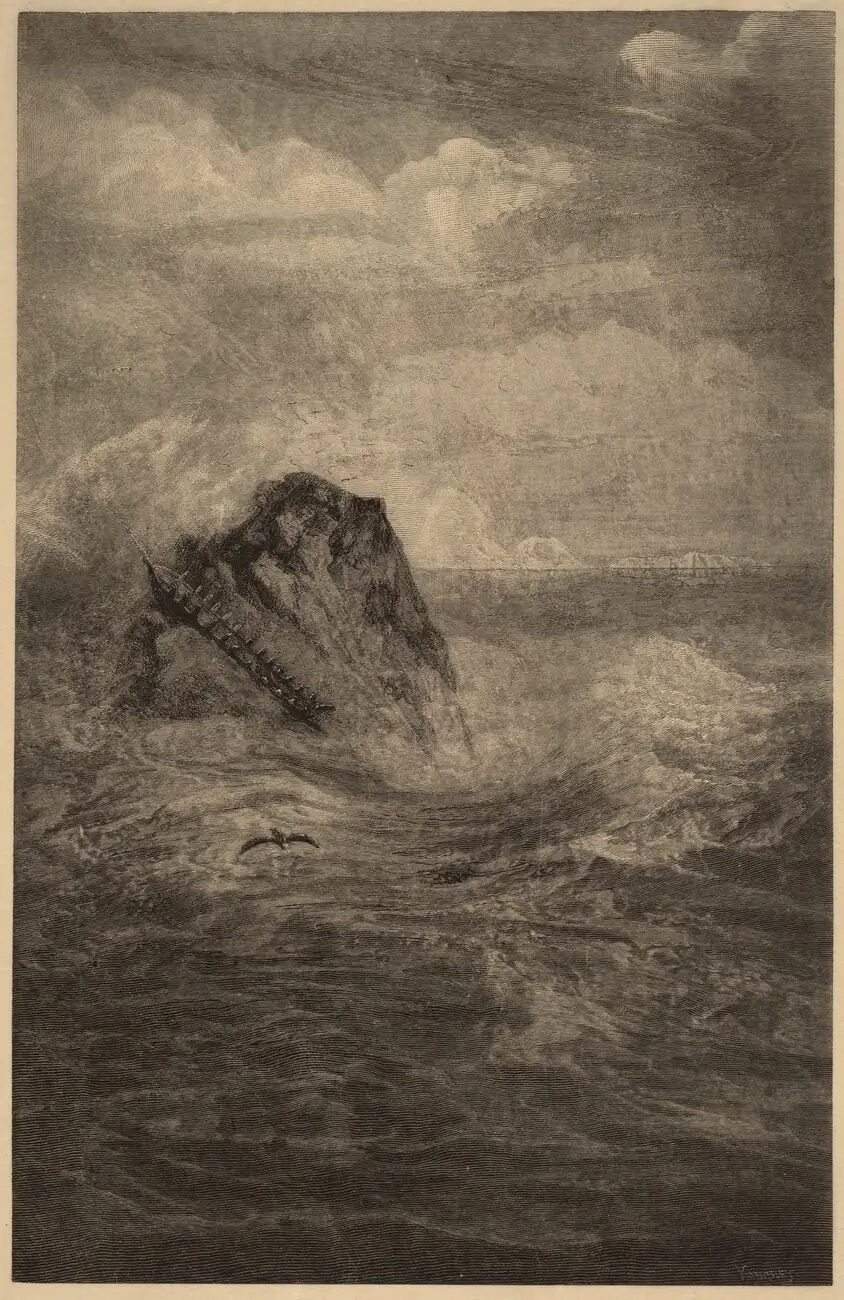
Gyaros is a bare island in the Cyclades of less than twenty square kilometres, with no fresh water to speak of. Tacitus cites it as an example of a place of exile reputed to be especially cruel; almost nobody lived there and almost nothing grew.
Musonius Rufus was sent there in the year 65 by Nero, after Piso's conspiracy. He had taken no part in it. He simply counted as too influential: a philosopher with Roman senators in his audience is a risk for a man who does not want questions.
On the island he did what he did in Rome. He taught. People came across the sea to him, and according to Philostratus he found a spring, which made the island more habitable than it had been. He did not complain about the place, but neither did he pretend it was not a bare rock.
What happened next
After Nero's death he was allowed to return. When the emperor Vespasian later banished all philosophers from Rome, Musonius was the only one exempted; shortly afterwards he too was sent away after all.
He taught in Greek but lived in Rome, and was called the Roman Socrates. His best-known student was Epictetus, who took over his method: no fine speeches, but questioning the student until he heard his own contradiction.
Twenty-one of his discourses survive, written down by a student. Two of them argue that women should study philosophy on equal terms and that daughters deserve the same education as sons. In a third he rejects the double sexual standard taken for granted in Rome.
The crossroads
You are sent to the barest place in the empire, for something you did not do, with no end date.
The sorting
The tempting sorting is that he did not mind where he was. He claims that nowhere; Gyaros was wretched and everyone knew it.
What he did is more exact. Nero's decision, the island and the length of his stay lay outside him, and there was no version in which that changed. What did lie with him was his craft, and that craft needed no building. A teacher needs students, and they came.
The spring is the finest detail, because it is not philosophy but practice. He accepted the island as it was and improved within it what could be improved. That is the order the Stoa keeps: first see clearly what is fixed, then act carefully in the space that remains.
Epictetus took this stance directly from him. Whoever saw his teacher simply carry on upon a bare island needed no further theory about exile.
The objection
Musonius had what most exiles lacked: fame, a network that sought him out, and a craft he could practise anywhere. The thousands of others sent to such islands had none of that, and nothing survives about them because there was nothing to tell.
And there is a limit to the teaching that this story makes visible. Musonius could bear his banishment; he could not undo it, and he could not prevent it happening again. Accepting what you cannot change is sensible, but it still changes nothing about an emperor who banishes people.
The question for you
Which part of your work is bound to you, and which part to your circumstances: your position, your office, your title? What do you take with you if those fall away?