Musonius and the daughters
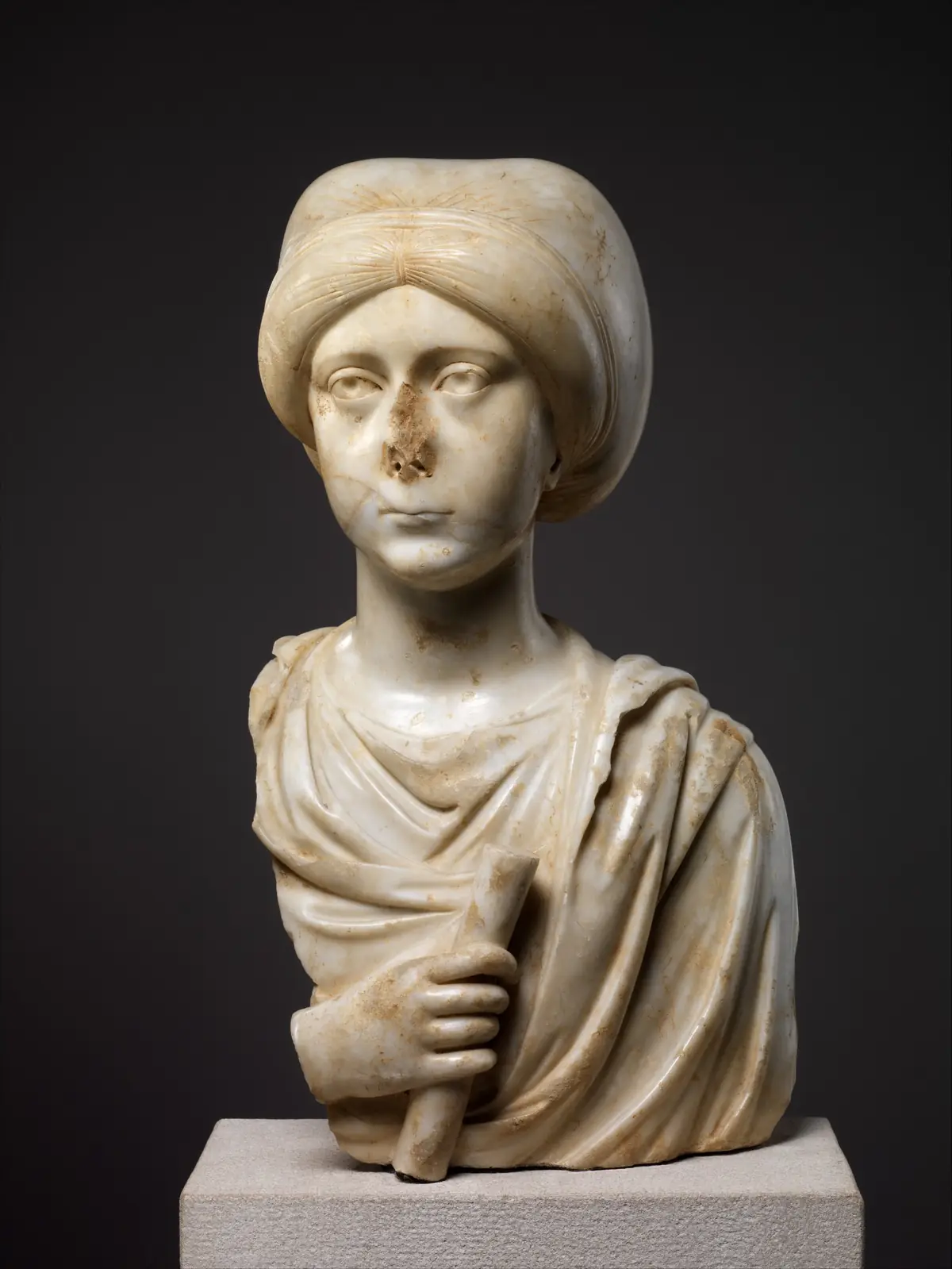
Musonius Rufus taught in Rome in the first century, in a society where the education of girls rarely went further than what was needed to run a household. Philosophy was for sons.
Two of his surviving discourses go directly against that. In the first he argues that women too should study philosophy. His reasoning is sober: women have the same senses, the same reason and the same capacity for virtue as men, and whoever grants that cannot maintain that the exercise is not meant for them.
In the second he asks whether daughters deserve the same upbringing as sons, and answers yes. And in a third text he goes further: he rejects the double sexual standard taken for granted in Rome. What counts as inadmissible for a woman is equally so for a man.
What happened next
His position was exceptional but not unique within the Stoa, which since Zeno had taught that reason works the same in everyone. Zeno had even written that men and women should wear the same clothing, because there is no part of virtue that applies only to one.
In practice little changed. The education of girls remained rare in Rome, and the Stoa never formed a movement that pressed for it. What there were, were a few women who practised philosophy and whose names survive: Hipparchia, two centuries earlier, and later Fannia, who came from precisely this circle.
Musonius' own student Epictetus took over the thought without repeating it. His lectures address the listener as a human being, not as a man.
The crossroads
You teach a doctrine saying reason works the same in everyone, in a city that denies it in practice.
The sorting
The tempting sorting is that Musonius was progressive. The word sits badly on him, because he was not arguing for equal rights; he was drawing a conclusion from the teaching he already taught.
The cut can be seen in that. Whether Roman society would change, whether anyone would listen and whether his discourses would survive: all outside him, and the answer turned out largely to be no. What did lie with him was whether he would draw the conclusion and say it out loud.
That is an exercise less visible in the other cases. Here it is not about bearing what happens to you, but about the willingness to finish your own reasoning, even when the result is uncomfortable for the world you live in.
And there is a test in it still usable today. Whoever holds a principle and does not apply it where it goes against him holds not a principle but a habit.
The objection
It is tempting to make Musonius into a modern mind, and he was not one. He still held that a woman's principal task was the household and the family; his point was that she needed philosophy for it, not that she should be doing something else. Whoever reads his texts as a plea for equality reads more into them than is there.
And his example shows how little correct reasoning achieves without the power to enforce it. He was right, he said so, and it changed almost nothing. That is no argument against him, but it is a correction to the idea that thinking well leads to change by itself.
The question for you
Which taken-for-granted thing around you could you not defend on inspection? And what is the small thing you could say or do about it?