Rutilius Rufus and the unjust verdict
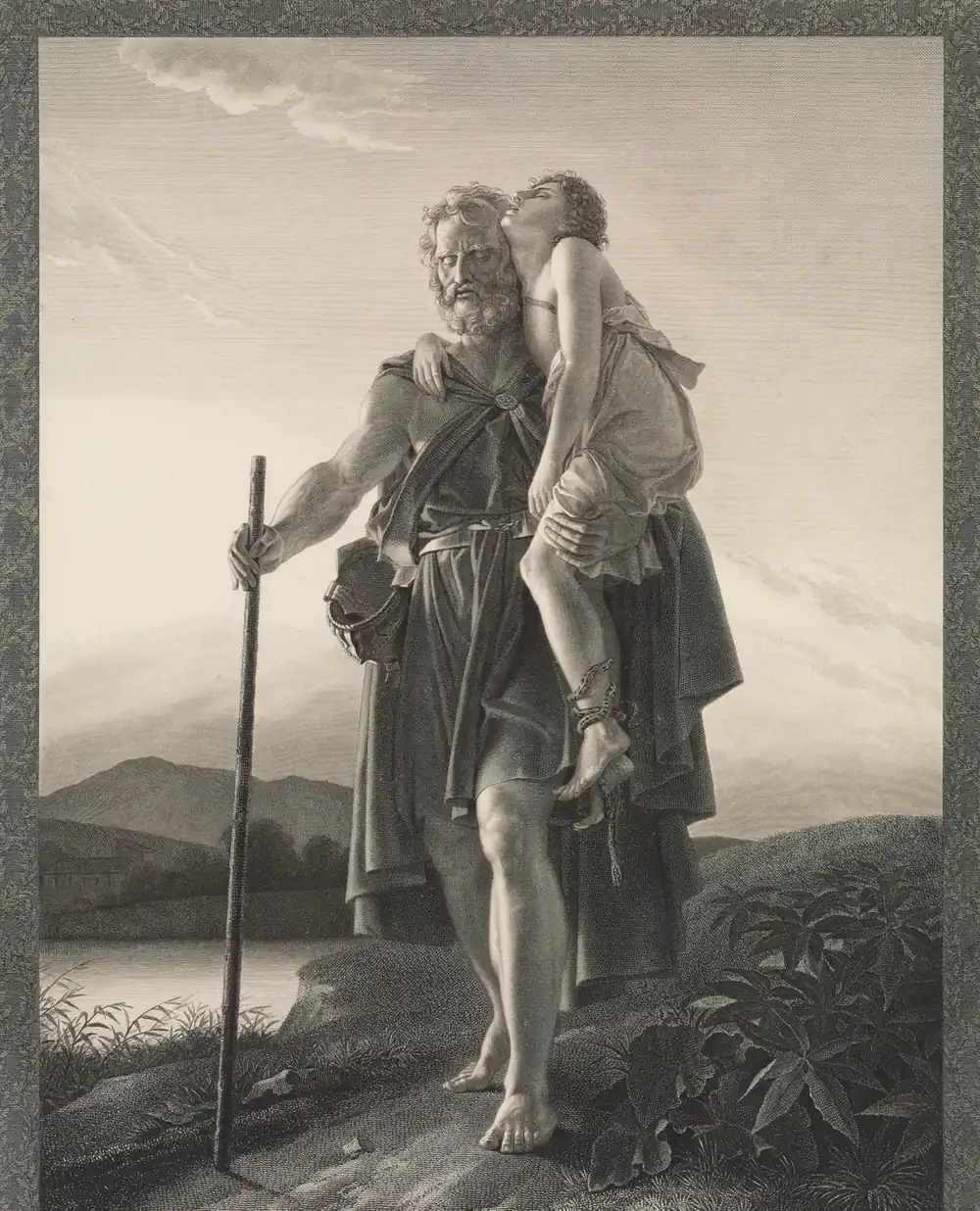
Publius Rutilius Rufus had been consul and afterwards served as adviser to the governor of the province of Asia. There he did something unusual: he protected the provincials against the Roman tax farmers.
Those farmers were knights who had bought the right to collect taxes and had to recoup their investment at a profit. What they did in the provinces came close to extortion, and Rutilius curbed it.
Since the reforms of Gaius Gracchus those same knights sat on the juries of the extortion courts. In 92 BC Rutilius was prosecuted for extorting precisely the province he had protected. He refused to hire a famous advocate, refused to plead, and refused to tear his toga as defendants customarily did. He defended himself plainly and was convicted.
What happened next
He was allowed to choose where to spend his exile and chose Smyrna, in the province he had supposedly plundered. The inhabitants received him as a benefactor and gave him citizenship.
There he wrote a history of Rome in Greek. Cicero visited him as a young man and recorded his account; it is largely thanks to him that we know this.
When Sulla later came to power and had him recalled, he refused. He did not go back to a city that had never revisited his verdict. His conviction counted as a scandal even among contemporaries, and was cited in later centuries as the textbook case of a court doing the opposite of justice.
The crossroads
You are convicted of precisely the opposite of what you did, by people who stand to gain from your fall.
The sorting
The tempting sorting is that he resigned himself to injustice. That is not what happened; he defended himself, he denied it, he maintained his innocence. What he refused was something else: playing along with the performance.
The cut runs exactly through that. The verdict lay with a jury that had an interest in convicting him, and no amount of pleading would have changed it; the outcome was settled before he spoke. What was his: how he would defend himself, and whether he would become a man who humiliates himself before people he despises.
He chose the plain defence, knowing it would cost him what a theatrical one might have gained. That is the expensive version of sorting: you see that the outcome is not yours, and you then act on what is, even when that makes the outcome worse.
That he chose Smyrna is the quiet point. He went to live among the people he was supposed to have robbed.
The objection
You can say he permitted himself a luxury. Rutilius was wealthy, had friends and a reputation, and his exile became an honourable one. For someone without those means a plain defence is not a principled choice but poverty.
And his refusal to return when he could reads another way too: as stubbornness, or as a refusal to accept that justice sometimes arrives late and incomplete. Not every steadfastness is wisdom.
The question for you
If your surroundings believed something untrue about you tomorrow: how much of your life would you spend setting the record straight, and how much simply continuing to be who you are?