Marcus Aurelius and the betrayal
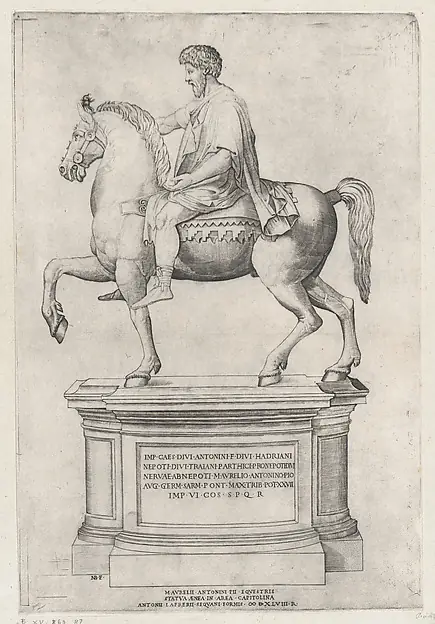
In the spring of 175, on the Danube, news reached Marcus Aurelius that Avidius Cassius had been proclaimed emperor in the east. Cassius was no ordinary officer but the most powerful man in the eastern empire, holding supreme command over all eastern provinces, and he had been a trusted ally for years.
Egypt and Syria joined him. Marcus was at that moment on a front he could not leave, in an empire being hollowed out by plague, with a treasury he had already had to replenish by auctioning palace goods.
He called his troops together and addressed them. What he said was not what they expected. The greatest sorrow, he said, is that we cannot persuade Cassius; that we cannot come together and talk it out. He asked the Senate not for retribution but for clemency.
What happened next
The revolt lasted about three months and ended without a battle. A centurion killed Cassius and sent the head to Marcus. Marcus refused to look at it and had it buried.
In Rome senators pressed for the execution of everyone who had been involved. Marcus asked for restraint, and according to tradition he had the conspirators' correspondence burned unread, so that he would not know who had wished to betray him. Cassius' son kept part of the family property.
Marcus afterwards travelled east anyway, to bind back to himself the provinces that had let go of him. His wife Faustina died on the way.
The crossroads
Someone you trusted reaches for your position, and the power to erase him lies entirely in your hands.
The sorting
The tempting sorting is that Marcus was big enough not to mind the betrayal. His own notes contradict that; the book we call the Meditations is largely written by a man who has to talk himself round because it does get to him.
The cut he made is more exact. The betrayal itself, the loyalty of his provinces and Cassius' judgment of him: all outside him, and anger about it had no effect whatever on the revolt. What did lie with him was what he would become in response, and that was the only outcome genuinely at stake.
Burning those letters is the sharpest application of it. He deprived himself of the ability to know whom to hate. That is not magnanimity out of abundance but a calculated move: he knew that knowing the names would force him into acts he did not want to commit.
The objection
Clemency is cheaper for the man who won. Marcus forgave only after Cassius was dead and the revolt over; what he would have done had it gone otherwise is not known. And his mildness had limits we would not accept today: he ruled an empire running on slavery and changed nothing about it. What the story does show is that on the one decision entirely within his control, he chose as his notebooks claimed he wanted to choose.
The question for you
If someone let you down today in front of everyone: which part of your reaction would be about them, and which part about who you want to be?