Marcia and the third year
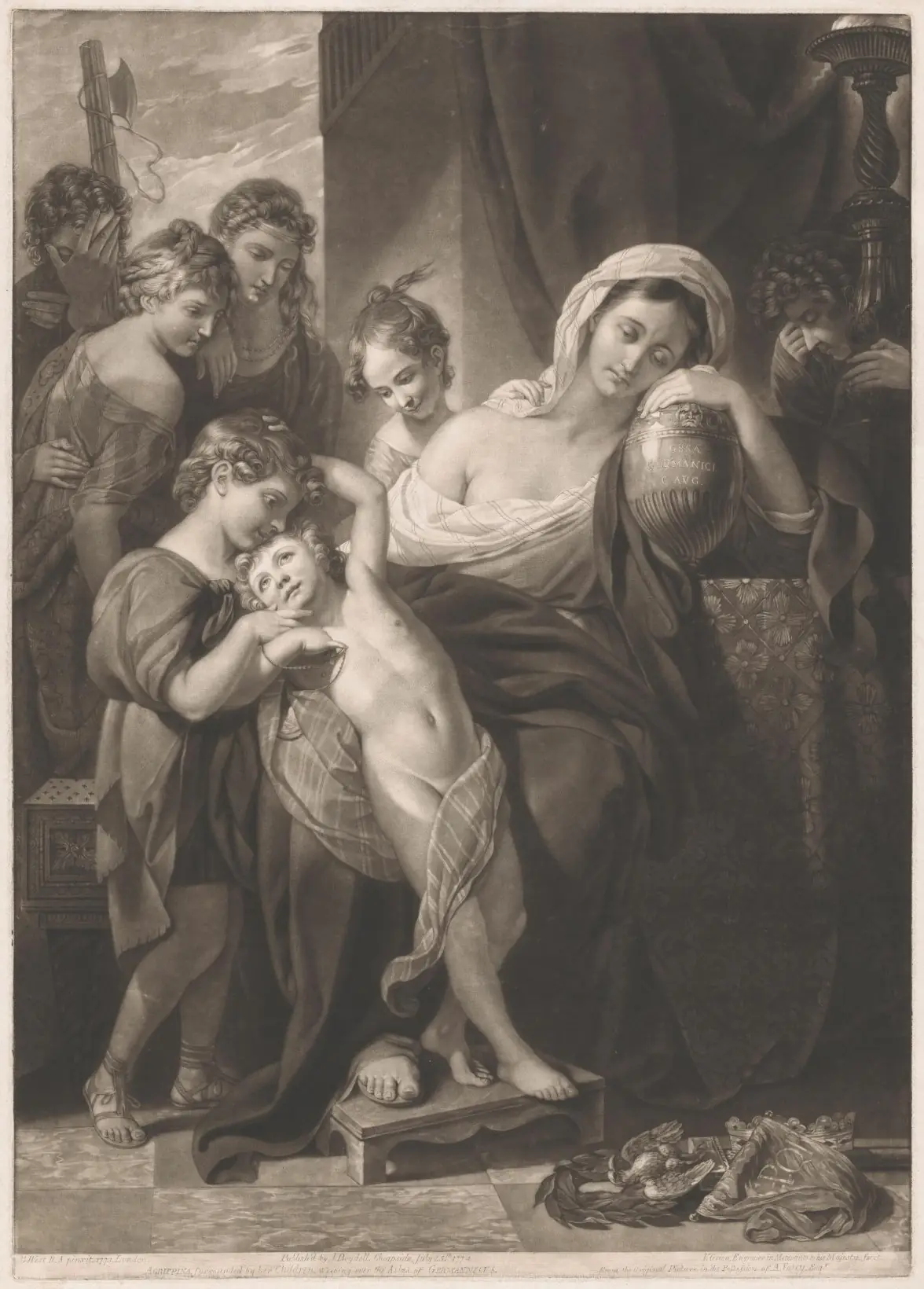
Marcia had lost her son Metilius. When Seneca wrote to her it was about three years later, and she was grieving as fiercely as on the first day.
The letter he sent does not begin as you would expect. He does not tell her to let go, and he does not begin with consolation either. He begins by announcing that he will not treat her as a fragile woman, and that he will therefore be hard on her.
His reason for that is remarkable. Marcia had already shown what she was capable of. Her father was the historian Cremutius Cordus, prosecuted under Tiberius for praising Brutus and calling Cassius the last of the Romans. His books were publicly burned by the aediles. Marcia secretly kept copies, and when the climate changed she published them again.
What happened next
The letter is Seneca's earliest surviving work, written around the year 40, before his banishment to Corsica.
Tacitus tells her father's story to show how pointless book burning is: banning something only increases the authority of what is banned.
What he puts to Marcia is not that her grief is improper, but that she is arranging it as a permanent condition. He points her to women to whom the same happened and who bore it differently, and he ends with a long passage in which her father addresses her from beyond death.
Whether it helped we do not know; nothing survives about Marcia's later life. What did survive is her father's work, and that is thanks to her.
The crossroads
You are grieving over something genuinely terrible. Someone comes along and says you are doing it too long.
The sorting
The tempting sorting is that Seneca is asking her to stop mourning. He asks that nowhere, and it would not fit the teaching either: grief at loss is a first movement and no one is to be blamed for it.
The distinction he makes runs elsewhere. Her son's death lay entirely outside her and nothing can change it, not even three years of mourning. What did lie with her was whether she would keep feeding her grief with the judgment that this should not have happened.
That is the cruel but useful core. He separates the grief itself, which remains and may remain, from the demand that the world should have been built differently. The first is human; the second is a fight with a fact, and that one you always lose.
And there is a sorting in his approach itself. He treats her as someone with judgment, not as someone to be spared. That is what you do with people of whom you expect something.
The objection
Almost nobody would dare write this letter that way today, and with reason. Telling someone after three years that they are handling their grief wrongly is a judgment on a process we now know has no fixed duration. What Seneca describes as giving in to sorrow would now often be called something else.
The letter was moreover written by a man who saw his own advice severely tested shortly afterwards. What stands is not his timetable but his distinction: between the grief, which is yours and may remain, and the demand on reality, which never yields anything.
The question for you
Where are you holding on to something because letting go would feel like betrayal? And what would the person you miss advise you to do today?